

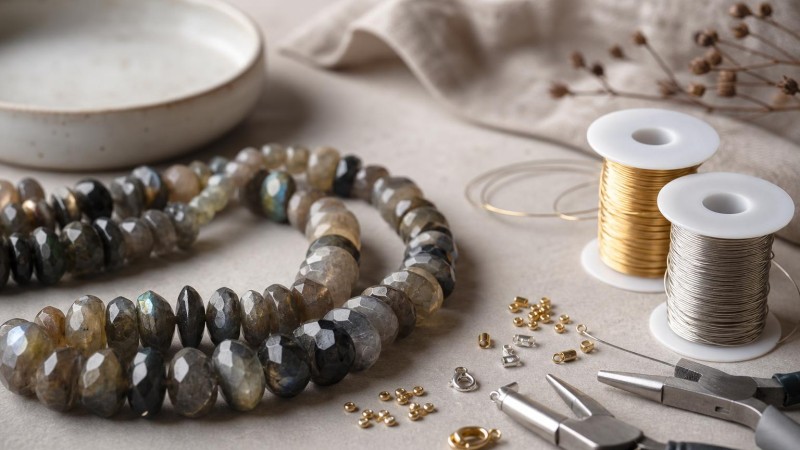
Why Thread Choice Matters for Heavy Stone Jewelry
When you design jewelry with substantial gemstone beads, thread is not a small detail—it is part of the structure. Heavy stones place constant stress on every strand, knot, crimp, clasp, and connection point. A thread that works beautifully for lightweight seed beads may stretch, fray, or fail much sooner when paired with chunky rounds, faceted nuggets, or large pendants.
Choosing the right beading thread for heavy stones affects durability, comfort, drape, and appearance. It also changes how easy your project is to string, knot, finish, and wear. If a necklace made with natural stone beads feels too stiff, kinks easily, or snaps under the weight of the stones, the thread was likely not the best match for the design.
For makers shopping at PebbleBead or planning a new project with amethyst beads, understanding the strengths and limitations of common stringing materials can help you build pieces that last longer and look more professional.
What Counts as a Heavy Stone?
In jewelry making, “heavy stones” usually refers to beads or components with more mass than average glass or acrylic beads. This can include large gemstone rounds, dense materials like hematite and jade, thick carved focal stones, gemstone chips used in abundance, and multi-strand designs loaded with stone elements.
Some stones are naturally denser than others. Even if two beads are the same size, they may not weigh the same. Shape matters too. Smooth rounds and puffed ovals often slide and distribute weight differently than rough-cut nuggets or pointed faceted stones, which can create more friction against the thread.
If your design includes several large stone beads, a sizable center stone, or metal accents that add extra load, it is wise to treat the project as a heavy-stone design from the start.
Main Factors to Consider Before Choosing Thread
1. Bead Weight
The more the beads weigh, the stronger your stringing material needs to be. Lightweight nylon may be fine for delicate pieces, but heavy gemstone strands usually benefit from stronger options such as coated wire or high-strength synthetic cord.
2. Hole Size
Thread must fit through the bead holes comfortably, especially if you plan to pass through the beads multiple times. Some natural stones have small or uneven drill holes. Always test fit before committing to a design. A strong material is not helpful if it is too thick to use.
3. Bead Edge Smoothness
Natural stone drill holes are not always perfectly polished. Rough interiors can abrade thread over time. This is especially important with sharper-edged cuts and organic stone shapes. If the holes feel rough, a more abrasion-resistant material is often the safer option.
4. Flexibility and Drape
Different projects need different movement. A heavy stone necklace may look best with a graceful drape, while a bracelet may need more structure. Softer cords can create fluidity, while beading wire offers support and helps prevent overstretching.
5. Finishing Method
Think ahead about how you will finish the piece. Some threads are ideal for knotting, others for crimping, and some pair best with specific findings such as jump rings. Your preferred finishing technique may narrow your best thread options quickly.
Best Types of Beading Thread for Heavy Stones
Beading Wire
For many heavy stone projects, beading wire is the top choice. This material is made from fine strands of stainless steel or other metal wires coated in nylon. It combines strength, flexibility, and resistance to stretching, which makes it especially reliable for gemstone necklaces and bracelets.
Beading wire comes in different diameters and strand counts. In general, more strands mean a softer, more flexible feel. Heavier stones often perform well on medium to heavy diameters, provided the bead holes are large enough.
- Best for: heavy gemstone necklaces, bracelets, and mixed-material designs
- Pros: strong, durable, low stretch, good drape, professional finish
- Cons: not ideal for knotting between beads, can kink if bent sharply
If you want a dependable all-around solution for substantial stone jewelry, beading wire is often the easiest place to start.
Nylon Thread
Nylon thread is popular for bead weaving, knotting, and certain stringing projects. It can work with stone beads, but for truly heavy designs, standard nylon thread may not offer enough long-term support on its own. It can stretch under weight, and repeated rubbing against rough drill holes may weaken it.
That said, stronger nylon options can still be useful for lighter stone strands, pearl-style knotting, or designs where softness matters more than maximum load-bearing strength.
- Best for: lighter gemstone projects, knotting, soft drape
- Pros: flexible, easy to knot, available in many colors
- Cons: may stretch or fray under heavy stress
Polyester Thread
Polyester thread is often valued for better stretch resistance than some nylon threads. For heavier stones, it can be a practical choice in designs that require knotting or stitching but do not place extreme strain on a single strand.
Many makers like polyester for its durability and color stability. Still, it is usually not the first choice for very weighty gemstone necklaces unless the design is carefully planned and reinforced.
Waxed Cord
Waxed cotton or synthetic cord can work for rustic or earthy jewelry styles featuring larger stone beads. It offers body and visual presence, and it can be excellent for macrame-inspired pieces or simple strung necklaces with fewer, larger stones.
However, waxed cord is generally bulkier than fine beading wire or thread. It may not fit smaller drill holes, and it can wear over time where the stone edges rub.
- Best for: casual necklaces, macrame elements, bold focal stones
- Pros: strong appearance, easy to handle, decorative texture
- Cons: thicker, less refined for delicate designs, may abrade
Elastic Cord
Elastic is convenient, especially for stretch bracelets, but it is usually not the best choice for very heavy stones. Dense gemstone beads can put constant tension on elastic, causing it to lose resilience faster. If you use elastic for stone bracelets, choose a high-quality, thick elastic designed for jewelry and avoid overloading the strand.
Elastic can be appropriate for medium-weight stone bracelets, but for especially heavy beads, a clasped bracelet on beading wire is often more durable.
When Beading Wire Is the Best Choice
If your design features large rounds, multiple strands of stone, or weighty focal pieces, beading wire is usually the strongest and most practical option. It handles tension well, holds up to repeated wear, and works beautifully with crimp beads, wire guardians, and clasps.
It is also a smart choice for designs that include metal components, spacers, and findings. For example, if you are combining gemstone beads with wire wrappers or a substantial pendant, the stability of beading wire helps support the finished piece.
A useful rule of thumb is this: the heavier and denser the stone beads, the more likely you should consider coated beading wire over traditional thread.
How to Match Thread Thickness to Stone Beads
Choosing material type is only part of the decision. Thickness matters just as much. A thread or wire that is too thin may cut into finishing components, wear down faster, or look visually out of proportion. One that is too thick may not fit through the holes or may make the piece stiff.
General Guidelines
- Use finer diameters for smaller gemstone beads with narrow holes.
- Use medium diameters for standard stone necklaces and bracelets.
- Use heavier diameters for large beads, chunky designs, and substantial focal arrangements.
Always test with the actual beads from your project. Natural materials vary. Even among strands of the same stone, drill hole size can differ slightly. This is common with materials such as freshwater pearls and hand-cut gemstone beads.
Signs Your Thread Is Too Weak for Heavy Stones
Sometimes the wrong material reveals itself quickly. Other times, the warning signs show up after a few wears. Watch for these indicators:
- Visible stretching after stringing
- Fraying near bead holes or clasps
- Frequent kinking or flattening
- Knots slipping or loosening
- A necklace that feels unstable or unevenly weighted
- Elastic that stays elongated after wear
If you notice any of these issues during assembly, it is worth restringing before finishing the piece. It is much easier to correct a weak foundation at the worktable than after the jewelry has been worn.
Heavy Stone Necklaces vs. Bracelets
Necklaces
Heavy stone necklaces put sustained downward force on the stringing material. This makes low-stretch strength especially important. Beading wire is often ideal because it prevents excessive sagging and supports a balanced drape. Necklaces may also benefit from knot protectors, crimps, and sturdy clasps.
Bracelets
Bracelets face a different challenge: movement and impact. They are bumped, twisted, and flexed more than necklaces. Heavy stone bracelets on elastic can wear out faster because the cord is under constant tension and frequent motion. For long-term durability, a clasped bracelet on wire is often the stronger choice.
If you prefer stretch bracelets, keep the bead size moderate, inspect the holes for sharpness, and avoid overfilling the design.
Practical Tips to Make Heavy Stone Jewelry Last Longer
Inspect Every Bead Hole
Run a fine beading awl, soft cord, or needle through the holes before stringing. If a bead catches or scratches the material, the interior may be rough. Set those beads aside or place them where they will create less friction.
Use Protective Findings
Wire guardians, crimp covers, bead tips, and quality clasps can reduce wear at stress points. The ends of a necklace or bracelet often fail first, not the center.
Choose the Right Crimp Size
If you use beading wire, match the crimp bead or crimp tube carefully to the wire diameter. A poor fit can slip or damage the wire instead of securing it properly.
Do a Weight Test Before Finishing
String the design temporarily and lift it gently to see how it hangs. This simple step can reveal whether the material feels too soft, too thin, or too stiff.
Do Not Overcrowd the Strand
Leaving a little room for movement helps reduce stress. Overpacked beads press against each other and can grind against the thread with every motion.
Reinforce High-Stress Designs
Very heavy focal arrangements may benefit from doubling the thread, using a stronger alternative, or redesigning the layout to distribute weight more evenly.
Style Considerations: Function and Aesthetics
The strongest option is not always the best visual choice unless it also suits the design. A sleek gemstone necklace may look polished on beading wire, while a bohemian pendant necklace may feel more authentic on waxed cord. The goal is to balance beauty and engineering.
If your design includes traditionally symbolic stones, remember that many gems have long cultural histories. For example, in folklore, amethyst was associated with clarity and protection, while pearls were traditionally linked with purity and wisdom. These meanings can add storytelling value to a piece, but the construction still needs to be grounded in practical material choices.
For refined projects with polished stone rounds and metal accents, sturdy findings such as crimp tubes often create the cleanest, most professional finish.
Common Mistakes to Avoid
- Using delicate thread for oversized gemstone beads
- Ignoring rough or uneven drill holes
- Choosing elastic for very dense, large stones
- Picking thread based only on color, not strength
- Skipping a test strand before final assembly
- Using weak clasps with heavy bead combinations
These mistakes are easy to make, especially when a thread looks strong in the package. In practice, actual bead weight, friction, and movement determine performance.
A Simple Decision Guide
If you are unsure what to use, this quick guide can help:
- Large, heavy gemstone necklace: choose medium to heavy beading wire
- Chunky stone bracelet: choose beading wire with a clasp for better durability
- Softly knotted lighter stone strand: consider strong nylon or polyester thread
- Rustic pendant design: consider waxed cord if hole size allows
- Stretch bracelet with medium stone beads: use quality elastic, but avoid excessive weight
Final Thoughts
Choosing the right beading thread for heavy stones is really about understanding stress, movement, and wear. Heavy gemstone jewelry asks more from its materials than lighter designs do, so strength, abrasion resistance, and finishing compatibility matter from the very beginning.
For most substantial stone projects, coated beading wire is the most dependable option. It offers the support needed for weighty beads while still allowing an elegant drape. Threads and cords can absolutely have their place, especially in knotted, textured, or rustic designs, but they should be selected with the bead weight and hole quality in mind.
The best approach is to test your materials, inspect your beads carefully, and build with both beauty and durability in mind. With the right foundation, your heavy stone jewelry can feel comfortable, look polished, and hold up far better over time.

Leave a Comment