

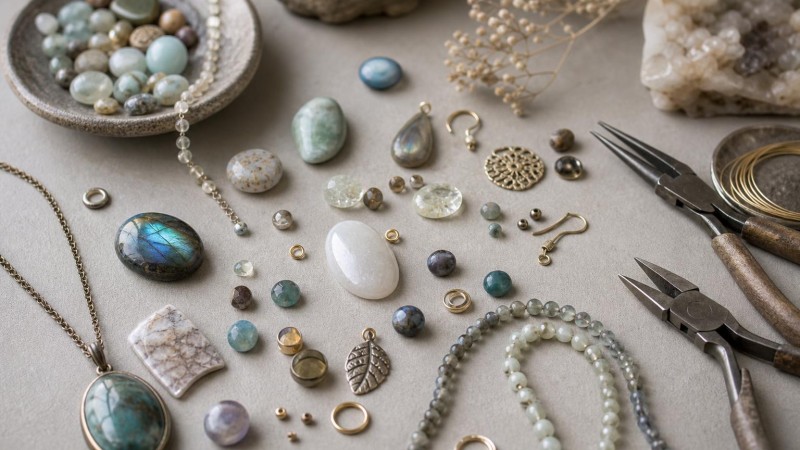
Buying wholesale gemstones can open up exciting possibilities for jewelry designers, makers, and small business owners. Whether you create one-of-a-kind necklaces, minimalist earrings, or detailed wire-wrapped pendants, sourcing stones in larger quantities can help you build a cohesive collection, maintain consistency, and experiment with new styles. The key is knowing what to look for before you place an order.
Custom jewelry depends on more than color and sparkle. Stone quality, cut, shape, drill style, durability, and supplier transparency all affect how your finished pieces will look and wear. If you are new to wholesale buying, the process can feel overwhelming at first. With a clear plan, though, it becomes much easier to choose gemstones that fit your design goals and your workflow.
In this guide, we will walk through how to buy wholesale gemstones for custom jewelry, from understanding stone grades to checking compatibility with findings and design techniques. You will also find practical tips for evaluating assortments, planning collections, and avoiding common sourcing mistakes.
Start with Your Jewelry Design Goals
Before comparing gemstone lots, define what you want to make. Wholesale buying works best when you know your intended product line. Are you designing delicate bracelets, statement chokers, meditation-inspired malas, bridal jewelry, or everyday earrings? The answer shapes which stones, sizes, and cuts make sense.
For example, small faceted stones may work beautifully in refined layering pieces, while larger rounds or nuggets may be better for bold statement designs. If you use amethyst beads in a repeatable collection, you may want matched strands with consistent color. If you specialize in artisan or organic styles, natural variation may be part of the appeal.
Questions to ask before you buy
- What type of jewelry will these gemstones be used for?
- Do you need matching stones or a more varied, natural look?
- What sizes fit your designs and hardware best?
- Will the stones be the centerpiece or an accent material?
- Are you building a seasonal collection or a timeless core line?
Starting with a design plan helps you avoid buying beautiful stones that do not actually suit your projects.
Understand the Main Types of Wholesale Gemstones
Wholesale gemstones for jewelry are sold in many forms, and each one serves different creative needs. Knowing the categories helps you source more efficiently and compare options with confidence.
Gemstone beads
Beads are among the most versatile choices for jewelry makers. They come in rounds, rondelles, heishi cuts, tubes, chips, cubes, and many other shapes. Some are smooth and polished, while others are faceted to catch the light. Beads are ideal for necklaces, bracelets, earrings, and mixed-material designs.
Cabochons
Cabochons are polished stones with a flat back and domed top. They are commonly used in bezel settings, wire wrapping, and statement rings or pendants. If you make focal pieces, cabs can offer strong visual impact and highlight interesting patterns in the stone.
Faceted stones
Faceted stones can add brilliance and structure to custom jewelry. They may be sold loose, drilled, or pre-set depending on the intended use. These stones are often chosen for more refined or formal designs.
Rough and freeform stones
Some designers prefer a natural, earthy aesthetic and use rough crystals, slices, or freeform polished stones. These can create a handmade, one-of-a-kind feel. In folklore, raw crystals were sometimes associated with untamed natural energy, which still influences jewelry symbolism today.
Learn How Gemstone Quality Is Evaluated
One of the most important parts of buying wholesale gemstones is understanding quality. Unlike finished jewelry, stone lots can vary significantly even within the same material. A strand labeled with a stone name may still differ in color, clarity, cut, polish, and overall consistency.
Color
Color is often the first thing customers notice. Look for saturation, evenness, and suitability for your collection. Some stones are prized for vivid tones, while others are appreciated for soft, cloudy, or earthy variation. Decide whether you want uniform strands or natural diversity.
Clarity and inclusions
Many natural stones contain inclusions, veining, matrix, or internal features. These are not always flaws. In fact, they can be part of a stone’s character. Moss agate, for instance, is valued for its landscape-like inclusions. What matters is whether the appearance suits your design style.
Cut and shape consistency
If you produce repeatable jewelry designs, check whether beads or stones are consistently sized and shaped. Slight variations are common in natural materials, but major differences can slow down production or affect symmetry in finished pieces.
Polish and drilling quality
Well-polished stones feel smooth and look refined. Bead drill holes should be clean and centered whenever possible. Uneven drilling can create trouble when stringing, especially if you work with fine cords, headpins, or structured layouts using jump rings.
Treatments and enhancements
Some gemstones are dyed, heated, stabilized, or otherwise enhanced. These practices are common in the industry and are not automatically negative, but they should be disclosed clearly. If you want a natural look or need consistent long-term color performance, ask what treatments have been used.
Choose Stones That Match Your Jewelry Technique
The best gemstone is not just visually appealing. It also needs to work with your construction method. A stone that looks stunning on a strand may not be ideal for wrapping, knotting, or metalwork.
For stringing and beadwork
Check hole size, bead uniformity, and edge smoothness. Small hole sizes may limit the cord, thread, or wire you can use. Faceted beads can add sparkle, but sharper edges may create more friction on softer stringing materials.
For wire wrapping
Wire wrappers often prefer stones with stable shapes, balanced proportions, and surfaces that allow secure framing. Cabochons, briolettes, and drilled focal stones are especially useful for wire wrappers who want a reliable centerpiece.
For metal settings
If you create bezel-set rings or pendants, precise sizing matters. Calibrated stones can save time and improve fit. Freeform cabochons can be beautiful too, but they require more custom fabrication.
For earrings
Weight matters. A stone that works for a pendant may be too heavy for comfortable earrings. Consider lighter cuts, slimmer shapes, or smaller sizes if wearability is a priority.
Know Which Gemstones Suit Everyday Jewelry
Custom jewelry is often meant to be worn, not just admired. That makes durability important. Some stones are harder and better suited to everyday use, while others require gentler handling. Consider the intended piece before buying in bulk.
Quartz varieties such as amethyst, citrine, rose quartz, and smoky quartz are popular because they combine beauty with versatility. Agate and jasper are also widely used for beads and pendants. Softer materials or stones with natural cleavage may be better reserved for special-occasion pieces or designs with more protective settings.
If you combine gemstones with organic materials like freshwater pearls, think about care requirements across the whole design. A mixed-material necklace should make sense aesthetically, but it should also be practical in how the components behave together over time.
Ask the Right Questions When Sourcing Wholesale Gemstones
A trustworthy supplier should provide useful information beyond the stone name. The more specific the listing or product details, the easier it is to buy confidently and plan your designs accurately.
Helpful sourcing questions
- Is the stone natural, treated, dyed, or stabilized?
- What is the approximate size range and tolerance?
- How long is each strand, and how many pieces are included?
- Are the photos representative of the actual lot?
- Is the cut handmade, machine-cut, or mixed?
- Are there visible inclusions, matrix, or natural surface features?
- What is the drill orientation and hole size?
These details matter because two lots with the same stone label can produce very different design outcomes.
Compare Wholesale Lots with a Designer’s Eye
When reviewing gemstone options, look beyond individual beauty and think in terms of collection building. Ask yourself whether the stones can support multiple coordinated pieces. A good wholesale purchase can inspire a bracelet, earrings, a pendant, and a matching necklace from the same visual story.
Consider how the gemstones pair with metals, spacer beads, chain, and closures. Cool-toned stones may shine beside sterling silver, while earthy or warm-toned stones may pair naturally with gold-filled or antiqued brass elements. Matte versus polished finishes can also change the mood of a piece.
Interesting fact: many gemstone colors carried symbolic meaning in historical jewelry traditions. Lapis-like blues were associated with royalty and protection in some ancient cultures, while green stones were often linked in folklore with renewal and abundance. These long-standing associations still influence customer preferences today, even when shoppers simply respond to the color emotionally.
Plan for Consistency Across Custom Orders
If you create made-to-order jewelry, consistency matters. Customers often expect a pair of earrings or a replacement piece to resemble the original design closely. Wholesale buying can help you maintain that consistency, but only if you plan ahead.
When you find a gemstone cut or color range that works well, note the exact specifications. Keep records of bead size, finish, drill style, and visual characteristics. This makes it easier to reorder similar materials and keep your collection cohesive.
It is also wise to sort your stones when they arrive. Group them by tone, transparency, size, or pattern. This step can speed up future production and help you reserve better-matched stones for earrings or symmetrical designs.
Watch for Common Buying Mistakes
Even experienced makers can make avoidable sourcing errors. A few careful checks before ordering can save time and frustration later.
Common mistakes to avoid
- Buying only by stone name without checking treatment or finish
- Ignoring bead hole size and strand length
- Choosing stones that are too heavy for the intended jewelry type
- Assuming every strand in a wholesale lot will match perfectly
- Overlooking how stones coordinate with your existing findings and tools
- Purchasing trend-driven materials without a clear design use
Another common issue is forgetting scale. Product photos can make stones appear larger or smaller than they really are, so always confirm measurements before planning a design around them.
Build a Balanced Gemstone Inventory
A smart wholesale strategy is not just about buying more stones. It is about buying the right mix. A balanced inventory usually includes versatile staples, eye-catching focal materials, and a few specialty items for seasonal or limited-edition pieces.
A practical inventory mix might include
- Core round or faceted beads in dependable colors
- Statement cabochons for pendants and rings
- Smaller accent stones for spacers or earring drops
- Neutral materials that pair easily with metals and other gems
- Textural elements such as matte, carved, or irregular stones
This approach helps you stay creative while still maintaining a recognizable design language.
Consider Storytelling and Customer Appeal
People are often drawn to gemstone jewelry because it feels meaningful. The patterns, colors, and origins of natural stones can give a piece personality and depth. While shopping wholesale, think about what stories your materials allow you to tell.
For example, banded agates highlight the layered beauty of nature, while labradorite is loved for its shifting flashes of color. In traditional belief, some stones were associated with protection, intuition, or balance, and those symbolic connections still add interest for many jewelry buyers when presented as folklore rather than fact.
Design storytelling does not need to be mystical to be effective. You can focus on craftsmanship, geological beauty, natural variation, or the way certain stones complement handmade metalwork and artisan assembly.
Why Supplier Transparency Matters
Good wholesale sourcing relies on trust. Clear descriptions, consistent photography, and accurate naming all help jewelry makers make informed choices. Transparent suppliers understand that makers need practical details, not vague marketing language.
If you source from a specialized jewelry supply store such as PebbleBead, look for product information that supports real design decisions: dimensions, finish, material details, and compatibility with common jewelry techniques. Reliable sourcing makes it easier to create pieces that meet your standards and reflect your brand style.
Final Tips for Buying Wholesale Gemstones Successfully
Buying wholesale gemstones for custom jewelry becomes much easier when you combine aesthetic judgment with technical awareness. Beautiful stones are important, but so are drill quality, durability, size accuracy, and suitability for your making process.
- Start with a clear design purpose before browsing
- Learn how quality varies within each gemstone type
- Match stones to the jewelry techniques you actually use
- Ask about treatments, sizing, and drill details
- Think in terms of collections, not isolated purchases
- Sort and document your inventory for future consistency
With practice, you will become faster at spotting materials that are not only attractive but truly workable. The best wholesale gemstones are the ones that help you create jewelry that feels intentional, well-made, and distinct. When chosen carefully, they can become the foundation of a custom collection your customers will remember and return to.

Leave a Comment