

Why Gold-Plated Jewelry Tarnishes in the First Place
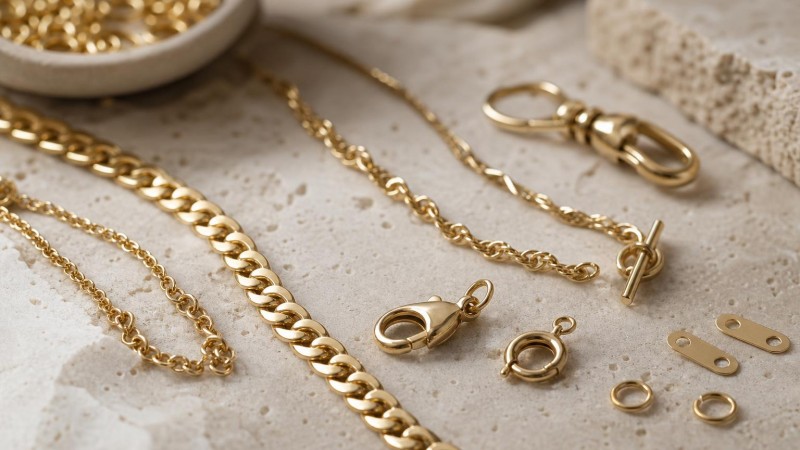
Gold-plated chains and findings have an elegant look that works beautifully in both minimalist and statement jewelry designs. They offer the warm glow of gold while pairing easily with gemstones, pearls, and mixed-metal accents. Yet many jewelry makers and wearers notice that plated surfaces can lose their brightness over time. Understanding why this happens is the first step to preventing it.
Gold plating is a thin layer of gold applied over a base metal, often brass, copper, or stainless steel. Because that outer layer is delicate, it can gradually wear down through friction, moisture, body oils, cosmetics, and exposure to air. Once the surface begins to thin, the underlying metal can react more easily with the environment, causing discoloration, dullness, or dark spots.
Tarnish is not always a sign of poor quality. Even well-made plated pieces can change if they are worn daily, stored carelessly, or cleaned too aggressively. Chains are especially vulnerable because the links constantly rub against each other and against skin or clothing. Findings such as clasps and jump rings also see frequent contact, which speeds up wear.
The good news is that with the right habits, you can significantly extend the life and shine of gold-plated components. Whether you create finished jewelry or assemble your own designs at home, a few practical changes can make a noticeable difference.
What Causes Tarnish on Gold-Plated Chains and Components?
Moisture and Humidity
One of the biggest enemies of plated jewelry is moisture. Humid air, sweat, and water exposure can all encourage oxidation on the base metal beneath the plating. Bathrooms, gym bags, and poorly ventilated storage areas are common trouble spots.
Skin Oils and Personal Care Products
Lotions, sunscreen, perfume, hairspray, and even natural skin chemistry can affect plated surfaces. Some people notice tarnish faster simply because their skin is more acidic or because they use more beauty products around the neck and wrists.
Friction and Daily Wear
Gold plating is thin by nature. Repeated movement causes it to wear more quickly, especially on necklaces layered together or bracelets worn beside watches. Delicate chain links rub against one another throughout the day, slowly weakening the surface finish.
Chemical Exposure
Household cleaners, chlorine, salt water, and even some jewelry dips can damage plating. Harsh chemicals do not just dull the shine; they can strip the gold layer or leave uneven patches that are difficult to restore.
Improper Storage
Throwing jewelry into a shared box may seem harmless, but chains can scratch, tangle, and abrade each other. Contact with reactive metals can also contribute to faster tarnishing. A beautifully plated clasp stored beside rough tools or loose stone strands is far more likely to show wear.
How to Prevent Tarnish Before It Starts
Keep Gold-Plated Pieces Dry
The simplest rule is also one of the most effective: keep plated jewelry away from water. Remove chains before showering, swimming, exercising, or washing dishes. If a piece does get wet, dry it immediately with a soft, lint-free cloth instead of letting moisture sit in the links or around the clasp.
For jewelry makers, make sure components are fully dry after any rinsing step during assembly. Even small droplets trapped inside chain links or around crimp areas can create long-term issues if pieces are packed away too soon.
Put Jewelry On Last
A helpful routine is to apply skincare and fragrance first, wait a minute or two, and then put on your jewelry. This reduces direct contact with product residue. The same idea applies when removing jewelry: take it off before using makeup removers, hair products, or body oils.
Store Each Piece Separately
Individual storage is one of the best defenses against scratches and premature wear. Soft pouches, anti-tarnish bags, and lined compartments all help minimize contact with air and friction from neighboring items. Chains should be laid flat or hung carefully so they do not kink or knot.
If you work with a variety of components, keep gold-plated findings separate from raw brass, copper, or heavily oxidized metal supplies. Organized storage trays for wire wrappers and delicate findings can help prevent accidental abrasion during handling.
Use Anti-Tarnish Strips or Silica Packs
Anti-tarnish tabs absorb airborne compounds that contribute to discoloration, while silica gel packs help control moisture. Both are useful in jewelry boxes, drawers, and supply containers. They are especially valuable in humid climates or seasonal weather shifts.
Limit High-Friction Styling
Layered jewelry can look lovely, but constant rubbing shortens the life of plated surfaces. If preserving shine is the priority, rotate pieces instead of wearing the same chain every day with other necklaces. The same principle applies to charm-heavy bracelets or anklets that swing and strike against hard surfaces.
Best Cleaning Methods for Gold-Plated Jewelry
Use a Soft Dry Cloth First
Routine maintenance should be gentle. After wearing a piece, lightly wipe it with a soft microfiber or jewelry cloth to remove oils and residue. This quick habit can make a surprising difference over time.
Clean with Mild Soap Only When Needed
If a piece looks dull, use lukewarm water with a small amount of mild soap. Dip a soft cloth or cotton swab into the solution and clean carefully without soaking the jewelry for long periods. Then rinse lightly if necessary and dry thoroughly right away.
Never scrub aggressively, especially around textured areas, extender chains, or tiny connectors. If your design includes gemstone accents like amethyst beads, avoid prolonged moisture there as well, since some materials and finishes prefer gentler care.
Avoid Abrasive Tools and Harsh Dips
Toothbrushes with stiff bristles, polishing pastes, ultrasonic cleaners, and strong chemical dips are usually too harsh for gold-plated items. Products made for solid gold or sterling silver are not automatically safe for plated metal. The goal is to preserve the thin gold layer, not polish it away.
Dry Completely Before Storing
Even careful cleaning can backfire if moisture is left behind. Pat the piece dry with a soft cloth and allow it to air dry fully on a clean towel before returning it to storage. Pay extra attention to chain ends, clasps, and wrapped connections where water may linger.
Smart Habits for Jewelry Makers
If you make jewelry, prevention begins long before the finished piece reaches a jewelry box. How you handle, assemble, and package components affects their longevity.
Handle Components with Clean Hands
Residue from lotions, food, and workshop materials can transfer onto plating. Clean, dry hands are best when sorting and assembling chain, clasps, and connectors. Some makers prefer soft gloves for final handling, especially when working on polished pieces intended for gifting or display.
Choose Compatible Materials
Mixing materials can create beautiful contrast, but it is wise to think about wear patterns. Heavy pendants on fine plated chain may cause faster abrasion at the connection points. Rough-edged findings may scratch neighboring links. Smooth, well-finished components tend to help plated pieces last longer.
When pairing gold-plated chains with organic elements such as freshwater pearls, make sure the drill holes, wire guards, and connecting loops are neat and burr-free. Small construction details can have a big effect on how gently a design wears over time.
Avoid Overworking the Metal
Opening and closing plated rings repeatedly can weaken or crack the finish. Plan your assembly steps in advance so components are manipulated as little as possible. This is especially important for clasps, connectors, and decorative links placed in high-visibility areas.
Package with Care
Finished jewelry should be stored or presented in a way that protects the surface. A soft insert, individual pouch, or anti-tarnish sleeve can reduce air exposure and friction. For chain necklaces, securing the clasp so the piece stays untangled also helps preserve the plating.
Common Mistakes That Speed Up Tarnish
- Wearing plated jewelry in the shower, pool, or ocean
- Spraying perfume directly onto chains or pendants
- Using silver polish or abrasive cloths on plated surfaces
- Storing multiple chains tangled together
- Leaving jewelry in humid bathrooms or sunny windowsills
- Sleeping in delicate plated necklaces or bracelets
- Using rough tools that scratch findings during assembly
These habits are common because they seem minor at first. But with plated jewelry, tiny repeated stresses add up quickly. A little caution preserves appearance far better than trying to reverse damage later.
Can Tarnished Gold-Plated Jewelry Be Restored?
Sometimes, yes—but only to a point. If the piece is simply dull from oils or light surface residue, a careful cleaning may restore much of its shine. If the gold layer has worn away or the base metal is showing through, cleaning alone will not bring back the original finish.
In cases of heavy wear, replating may be the only true restoration option. This can be worthwhile for cherished designs, favorite necklaces, or components with sentimental value. However, prevention is still the best strategy because every plated piece has a limited surface life.
It is also important to recognize the difference between dirt and damage. If you notice reddish, dark, or uneven areas that do not lift with gentle cleaning, the plating may have thinned significantly. Continuing to scrub at that point can make the issue worse.
Interesting Facts About Gold Plating
Gold plating has been used in decorative arts for centuries, offering the luxurious appearance of gold in a lighter and more versatile form. Modern jewelry plating methods can create beautiful finishes in different tones, from rich yellow gold to softer champagne shades and romantic rose hues.
Not all gold-plated components are identical. Thickness, base metal, surface preparation, and protective topcoats all influence durability. That is one reason two seemingly similar chains may age very differently with wear. Well-designed components with even plating and smooth finishing often hold up better under regular use.
Another useful detail is that tarnish and fading are not always the same thing. Tarnish generally refers to a chemical reaction causing discoloration, while fading often means the gold layer has physically worn thinner from use. In real life, the two can happen together, which is why gentle care matters so much.
Daily Care Checklist for Long-Lasting Shine
- Put gold-plated jewelry on after skincare and perfume
- Remove it before water, workouts, or cleaning tasks
- Wipe it down after each wear with a soft cloth
- Store it separately in a dry, low-humidity place
- Add anti-tarnish strips or silica packs to storage
- Clean only with mild soap and a gentle touch when needed
- Inspect clasps, links, and connectors for early signs of wear
These simple steps take only a few minutes, yet they can help your jewelry stay brighter and more beautiful for much longer.
Final Thoughts on Protecting Gold-Plated Components
Gold-plated chains and findings bring warmth, versatility, and refined detail to jewelry designs. They can frame gemstones beautifully, complement delicate beadwork, and elevate everyday styling. Like many beautiful materials, though, they reward gentle handling.
The best way to prevent tarnish on gold-plated chains and components is to combine smart wear habits, careful storage, and gentle cleaning. Keep pieces dry, limit exposure to chemicals, reduce friction, and handle them thoughtfully during both making and wearing. These small habits help preserve shine, protect the plating, and extend the life of your favorite designs.
For jewelry lovers and makers alike, good care is part of the craft. Whether you are working with elegant chain, detailed findings, or finishing touches like jump rings, protecting plated surfaces ensures your pieces continue to look polished and thoughtfully made. At PebbleBead, understanding materials is part of creating jewelry that feels special from the first wear onward.

Leave a Comment