

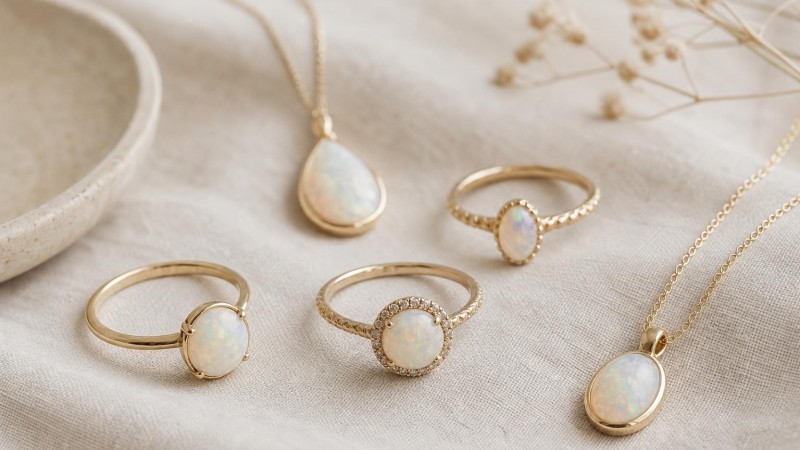
Why Opal Jewelry Needs Special Care
Opal is one of the most captivating gemstones in jewelry, loved for its shifting flashes of color and dreamy, luminous surface. Unlike many harder gems, however, opal is relatively delicate. Its beauty comes with a little extra responsibility, especially if you wear opal rings, earrings, pendants, or bracelets regularly.
What makes opal different is its structure. Precious opal contains tiny silica spheres arranged in a way that diffracts light, creating the famous play-of-color. This internal structure is part of the reason opal can be more sensitive to impact, abrasion, sudden temperature changes, and very dry conditions. In practical terms, that means opal jewelry often benefits from gentler handling than pieces made with sapphires, diamonds, or even many bead styles like amethyst beads.
If you own opal jewelry or plan to add a piece to your collection, understanding how to clean, store, and wear it properly can help preserve its glow for years. This guide covers the essentials, from daily habits to long-term storage, so your opals stay beautiful and wearable.
Understanding Opal: A Delicate Gem by Nature
What Opal Is Made Of
Opal is a hydrated form of silica, which means it naturally contains water within its structure. Depending on the variety, opal may contain a notable percentage of water, and that contributes to both its beauty and its sensitivity. Because of this composition, opals are not as tough as many other gemstones used in jewelry.
On the Mohs hardness scale, opal typically ranks around 5.5 to 6.5. That means it can scratch more easily than harder gems and even some common dust particles. It also has a degree of brittleness, so a sharp knock against a countertop or a dropped jewelry box can cause chips or cracks.
Different Types of Opal Jewelry
Not all opals behave exactly the same. Solid natural opals, doublets, and triplets each require slightly different awareness. A solid opal is a single piece of opal, while a doublet combines a thin slice of opal with a backing, and a triplet includes a clear protective cap on top. Doublets and triplets can be especially vulnerable to moisture damage if water seeps into the layers and affects the adhesive.
The setting matters too. Opal in a protective bezel setting is generally more shielded from knocks than opal held in prongs. A pendant may experience less daily impact than a ring, while earrings often avoid the rough wear that bracelets and rings face. If you make jewelry yourself, choosing supportive findings such as sturdy jump rings and protective settings can make a meaningful difference in longevity.
Everyday Habits That Protect Opal Jewelry
Put Opals On Last
A simple habit can go a long way: make opal jewelry the last thing you put on when getting dressed. Perfume, hairspray, lotion, sunscreen, and cosmetics can leave residue on the stone and around the setting. While occasional contact may not ruin an opal, repeated buildup can dull its appearance and make cleaning more necessary.
Take Opals Off First
At the end of the day, remove opal jewelry before changing clothes, washing up, or doing chores. This reduces the chance of snagging a ring, scratching a pendant, or knocking a bracelet against hard surfaces. It is an especially good habit for opal rings, which are often the most exposed to accidental impact.
Avoid Rough Activities
Opal jewelry is not the best choice for gardening, sports, heavy lifting, house cleaning, or any task where your jewelry might hit hard objects. Even if a setting looks secure, the stone itself can still be vulnerable. Save your opals for lower-impact wear and reserve sturdier pieces for demanding activities.
Be Mindful of Temperature Changes
Sudden temperature swings can stress delicate opals. Avoid exposing them to very hot water, intense direct heat, or rapid changes such as moving from a freezing environment to a very hot one. Leaving opal jewelry on a sunny windowsill, near a heater, or inside a hot car is not ideal.
How to Clean Opal Jewelry Safely
The Best Basic Cleaning Method
For most opal jewelry, gentle cleaning is the safest approach. Use lukewarm water, a soft cloth, and if needed, a tiny amount of mild soap. Dampen the cloth rather than soaking the piece, especially if you are unsure whether the opal is solid, doublet, or triplet. Wipe away oils and residue carefully, then dry the jewelry thoroughly with a clean, soft cloth.
If there is dirt around the setting, use a very soft brush with a light touch. Avoid scrubbing. The goal is to lift away residue without scratching the stone or loosening the setting.
What to Avoid When Cleaning Opal
- Ultrasonic cleaners
- Steam cleaners
- Harsh jewelry dips
- Abrasive pastes or powders
- Strong chemical cleaners
- Long soaking sessions
These methods can damage the stone, affect adhesives in assembled opals, or create unnecessary stress for delicate settings. If your opal is part of a mixed-material design with metal accents, charms, or components used by wire wrappers, it is still best to clean the whole piece as gently as possible.
How Often Should You Clean It?
That depends on how often you wear it. A ring worn several times a week may need a quick wipe after each use and a more careful cleaning every couple of weeks. Earrings or pendants worn occasionally may only need cleaning when they look dull or have visible residue. Frequent gentle maintenance is usually better than infrequent heavy cleaning.
How to Store Opal Jewelry Properly
Store Pieces Separately
Because opal scratches relatively easily, it should not be tossed into a box with harder gemstones or metal jewelry. Store each piece separately in a soft pouch, lined jewelry box compartment, or fabric-wrapped container. This helps prevent scratches, chips, and tangles.
If you keep multiple jewelry-making materials in one place, separate opal from rougher supplies and metal findings. A tray full of clasps, tools, or loose stones can quickly mark a polished opal surface.
Choose a Stable Environment
Opals prefer a stable, moderate environment rather than extremes. Very dry storage over long periods may not be ideal for some opals, while excess moisture is also a concern, especially for doublets and triplets. Aim for an ordinary indoor environment away from direct sun, heaters, vents, and damp conditions.
A closed jewelry box in a room with moderate temperature is usually a better choice than a bathroom shelf or a bright windowsill. If your area is extremely dry, avoid storing opal pieces in places with constant heat or airflow.
Travel Storage Tips
When traveling, wrap opal jewelry individually and place it in a padded case. Do not let pieces bump against watches, chains, or gemstone strands such as freshwater pearls. If possible, pack opal jewelry in carry-on luggage rather than in checked bags, where rough handling and temperature fluctuations may be greater.
Common Mistakes That Can Damage Opals
Wearing Opal Rings Every Single Day Without Caution
Opal rings are beautiful, but they also take more impact than most other jewelry types. Daily wear is possible if you are careful, but it helps to treat an opal ring more like a special piece than a worry-free accessory. If you use your hands constantly for work, crafts, or chores, consider wearing your opal ring only during lower-risk moments.
Using Harsh Cleaners
Many people assume all jewelry can be cleaned with the same products. That is one of the fastest ways to harm an opal. Products designed for tougher gemstones or for aggressive metal polishing can be too harsh. Always choose the gentlest effective method.
Ignoring Loose Settings
Sometimes the gemstone is fine, but the setting starts to loosen. If your opal shifts, rattles, or catches on fabric unusually, stop wearing it until it can be checked. A small issue with prongs or bezels can quickly turn into a lost or chipped stone.
Leaving Jewelry in Unsafe Places
Kitchen counters, sinks, windowsills, gym bags, and car consoles are all risky spots for opal jewelry. These environments increase the chance of knocks, heat exposure, chemical contact, or accidental loss. A dedicated jewelry dish for temporary removal can help you build better habits.
Special Care for Different Types of Opal Jewelry
Opal Rings
Rings need the most protection because hands encounter hard surfaces constantly. Look for settings that protect the edges of the stone, such as bezels or halo-style designs. Remove rings before cooking, cleaning, exercising, gardening, or moving objects.
Opal Earrings
Earrings are often easier to care for because they avoid much of the abrasion that rings and bracelets face. Even so, keep them away from hairspray and styling products, and store them so posts and hooks do not rub directly against the stone.
Opal Pendants and Necklaces
Pendants can last beautifully with proper care, but they still need protection from perfume, body oils, and impact. Check the bail and chain regularly. If your necklace includes accent stones or handcrafted elements with jump rings, make sure all connections remain secure.
Opal Bracelets
Bracelets are highly exposed because wrists move constantly and knock against desks, counters, and door frames. Wear opal bracelets thoughtfully, and avoid stacking them with harder bangles or watches that could scratch the surface.
When to Seek Professional Help
Some issues should be handled by a jeweler rather than at home. Seek professional help if you notice:
- A loose stone or damaged setting
- Visible cracks or chips
- Cloudiness inside a doublet or triplet
- Heavy buildup you cannot remove gently
- Metal damage around the opal
Choose someone familiar with delicate gemstones and make sure they know the piece contains opal before any cleaning or repair begins. Not every jeweler uses the same methods, and opal-safe care matters.
Interesting Facts About Opal
Opal has inspired admiration for centuries. Ancient cultures prized it for its shifting colors, and in folklore it was often associated with mystery, creativity, and protection. Some traditions regarded opal as a stone of inspiration or emotional expression, though these ideas belong to historical belief rather than science.
Another fascinating detail is that the flashes inside precious opal are not pigment. The color play comes from the way light interacts with its microscopic structure. This optical effect is one reason no two opals look exactly alike. Some display broad flashes of green and blue, while others glow with red, orange, pink, or multicolor fire.
Opals are also found in several notable varieties, including white opal, black opal, boulder opal, and fire opal. Each type has its own visual character and care considerations, but all benefit from mindful wear and gentle maintenance.
Care Tips for Jewelry Makers and Collectors
If you design or collect gemstone jewelry, opal deserves its own care routine. When assembling pieces, use supportive settings and avoid construction methods that put pressure on the stone. Keep opals away from rough work surfaces and separate them from harder cabochons, faceted stones, and metal tools.
For collectors, it can help to label whether a piece contains a solid opal, doublet, or triplet, especially if you own many stones and supplies. That makes it easier to remember which pieces can tolerate light wiping only and which need extra caution around moisture.
If you shop for components from PebbleBead or organize your own studio inventory, it is wise to store opals separately from abrasive materials and sharp-edged findings. Good organization is not just convenient; it can prevent avoidable surface damage.
A Simple Opal Care Checklist
- Put opal jewelry on last and take it off first
- Keep it away from harsh chemicals and cosmetics
- Clean gently with a soft cloth and mild soap if needed
- Never use ultrasonic or steam cleaners
- Store pieces separately in a soft pouch or lined box
- Avoid heat, dryness extremes, and sudden temperature changes
- Remove opals before sports, chores, and heavy activity
- Check settings regularly for looseness
Final Thoughts on Keeping Opal Jewelry Beautiful
Opal jewelry rewards careful ownership. Its shifting color, soft glow, and one-of-a-kind character make it unforgettable, but its delicate nature means a little attention goes a long way. Gentle cleaning, thoughtful storage, and smart daily habits can help preserve both the stone and the setting.
Whether you wear an opal ring for special occasions, collect unique gemstone pendants, or create custom designs with artisanal components, understanding this gem’s needs is the key to long-lasting beauty. Treat opal as the delicate treasure it is, and it can remain a luminous part of your jewelry collection for many years to come.

Leave a Comment