

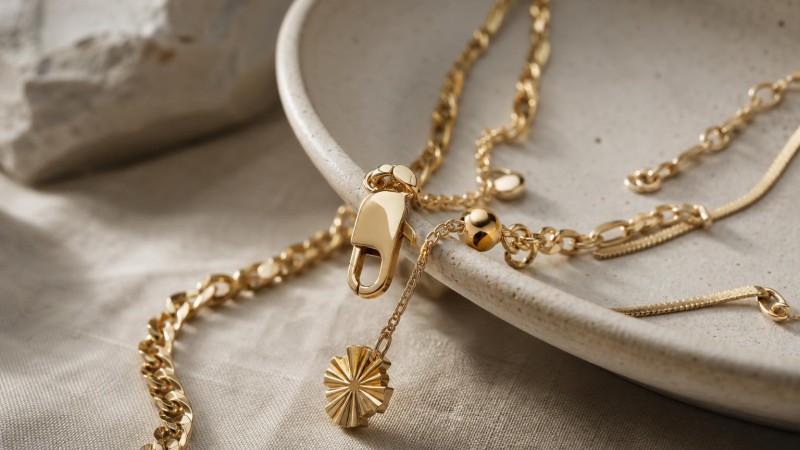
Gold-plated jewelry offers the warm appearance of gold without requiring every component to be made from solid precious metal. Among the many names shoppers and jewelry makers encounter, Xuping is frequently associated with fashion jewelry, plated findings, chains, charms, and finished pieces. But what does that name tell you about quality, and how long can Xuping gold-plated jewelry realistically last?
The useful answer goes beyond a brand name. Longevity depends on the base metal, plating system, coating thickness and consistency, construction, wear habits, and exposure to moisture or chemicals. Understanding these factors makes it easier to evaluate Xuping jewelry and choose components that suit your project and expectations.
What Is Xuping Gold-Plated Jewelry?
Xuping is a manufacturer and brand associated with mass-produced fashion jewelry and jewelry components. Its catalog commonly includes necklaces, earrings, bracelets, pendants, chains, clasps, and other findings with gold-tone plated finishes. Depending on the specific product, designs may incorporate cubic zirconia, synthetic decorative stones, enamel, or other materials.
The phrase “Xuping gold-plated” should not be interpreted as meaning solid gold. Gold plating generally describes a thin layer of gold or a gold-containing surface finish applied over another metal. The underlying material provides most of the component's structure, while the outer finish supplies its gold color and appearance.
This distinction matters when comparing components such as jewelry chains. Solid gold, gold-filled material, gold vermeil, and ordinary gold-plated fashion jewelry are different categories with different manufacturing standards, precious-metal content, durability characteristics, and care requirements.
What Determines the Quality of Gold Plating?
A bright gold surface is only the most visible part of a plated item. Several less obvious manufacturing details determine how attractive and durable that surface will be.
Base Metal
The base metal influences strength, weight, corrosion behavior, surface smoothness, and plating adhesion. Fashion jewelry manufacturers may use copper-based alloys, stainless steel, or other jewelry metals depending on the product line and intended construction.
Do not assume that every item sold under one manufacturer or trade name has an identical composition. Product specifications are more informative than broad claims. If metal composition is important because of personal sensitivities or project requirements, look for explicit information from the seller or manufacturer rather than relying on color alone.
Plating Thickness and Process
Gold plating is commonly produced through an electroplating process in which a prepared metal component receives a thin metallic surface layer. Careful cleaning and preparation are important because oils, oxidation, or surface imperfections can interfere with adhesion and appearance.
Thickness is also significant. In general, a more substantial, well-adhered coating can tolerate wear better than an extremely thin decorative layer, although thickness alone does not guarantee quality. Surface preparation, intermediate layers, finishing chemistry, and quality control also affect performance.
Protective Top Coatings
Some fashion jewelry receives a transparent protective coating over the metallic finish. Such coatings can help reduce direct exposure to friction, moisture, and environmental contaminants. They are not permanent shields, however. Repeated rubbing and chemical exposure can gradually affect both the protective layer and the plating beneath it.
Construction Quality
Plating cannot compensate for weak construction. Check whether clasps operate smoothly, soldered areas appear tidy, stone settings are secure, and edges are properly finished. When making jewelry, appropriately sized jump rings can also help prevent avoidable stress and premature failure at connection points.
How Long Does Xuping Gold-Plated Jewelry Last?
There is no reliable universal lifespan for Xuping gold-plated jewelry. Two visually identical pieces can age differently because one is worn occasionally and carefully stored while another is exposed every day to sweat, water, cosmetics, friction, and cleaning products.
Rather than expecting a fixed number of months or years, think of plating as a surface that experiences cumulative wear. Earrings and pendants may receive relatively little friction, while rings and bracelets routinely contact skin, desks, bags, clothing, and other hard surfaces. A heavily worn item will usually show changes sooner.
Where the jewelry sits also matters. A necklace may experience rubbing at the neck and around its clasp, while a charm can repeatedly strike neighboring components. For beadwork designs, placing spacer beads thoughtfully can sometimes reduce direct rubbing between larger decorative elements.
Why Does Gold-Plated Jewelry Fade?
Fading does not necessarily mean that the entire piece has suddenly deteriorated. Often, the thin outer finish is gradually wearing away and revealing an underlying layer or base metal whose color differs from the original gold tone.
Common causes of accelerated wear include:
- Repeated friction against skin, clothing, countertops, or other jewelry.
- Water exposure from bathing, swimming, washing, or humid storage.
- Perfume, hairspray, lotion, sunscreen, makeup, and household chemicals.
- Perspiration, which varies significantly in composition from person to person.
- Abrasive polishing compounds, rough cloths, brushes, and aggressive cleaners.
- Storing pieces tangled together, where surfaces can rub and scratch.
Changes often appear first on high-contact areas: ring shanks, bracelet edges, chain clasps, pendant backs, and raised details. Inspecting these locations gives a more realistic picture of plating condition than looking only at a decorative front surface.
How to Evaluate Xuping Jewelry Before Using It
For jewelry makers, component quality affects both appearance and the finished piece's durability. Examine new components under bright, neutral light before assembly. A magnifying glass can reveal defects that are difficult to see at normal viewing distance.
Look for even coloration, smooth surfaces, clean edges, secure stone settings, and consistent finishing around holes and attachment points. On jewelry clasps, operate the mechanism several times to confirm that it closes securely without excessive force.
Pay particular attention to recessed areas and edges. Uneven coloration around holes, corners, joints, or undersides may indicate inconsistent finishing. Tiny tool marks are not necessarily serious, but rough areas can catch fibers or create concentrated wear.
If you are producing multiple pieces from the same components, test a sample before committing an entire batch. Assemble it, handle it normally, and observe the contact points. This simple prototype can reveal whether a particular chain, charm, connector, or finding is suitable for your intended design.
Xuping Plating vs. Other Gold-Tone Options
“Gold-tone” is a broad visual description rather than a single material standard. Understanding neighboring categories prevents misleading comparisons.
Solid Gold
Solid-gold jewelry is made from a gold alloy throughout the relevant metal component rather than relying on a thin gold-colored surface over a non-gold core. Its karat designation describes gold purity. It is fundamentally different from plated fashion jewelry.
Gold-Filled Material
Gold-filled material has a mechanically bonded gold-alloy layer and is manufactured according to specific precious-metal-content requirements in markets where the term is regulated. Its gold layer is generally much more substantial than conventional electroplating. For makers, gold-filled wire is therefore not interchangeable with ordinary gold-plated wire even when both initially look similar.
Gold Vermeil
Vermeil generally refers to gold plated over sterling silver and is subject to legal definitions concerning materials and plating thickness in certain jurisdictions. A generic gold-plated copper-alloy component should not automatically be described as vermeil.
PVD and Other Coatings
Physical vapor deposition, or PVD, is another finishing method used on some jewelry, especially stainless-steel pieces. It can provide strong surface performance when properly applied, but a seller should specifically identify the process. A gold color alone cannot tell you whether an item is electroplated, PVD-coated, lacquered, or produced through another finishing system.
How to Make Gold-Plated Jewelry Last Longer
Care has an outsized influence on the useful appearance of plated jewelry because the decorative surface is thin. The goal is simple: limit abrasion and unnecessary contact with moisture and chemicals.
- Put jewelry on after perfume, lotion, hairspray, sunscreen, and cosmetics have dried.
- Remove plated pieces before showering, swimming, exercising, cleaning, or doing tasks that create substantial friction.
- After wear, gently wipe the surface with a clean, soft, dry cloth.
- Avoid abrasive polishing pastes, stiff brushes, scouring materials, and harsh chemical dips unless the manufacturer explicitly recommends them.
- Store pieces separately in dry compartments or soft pouches so that chains, stones, and metal surfaces do not scratch one another.
- Handle delicate chains and findings by their stronger structural points rather than pulling on decorative sections.
These habits are equally useful when designs combine plated metal with natural materials. For example, gemstone beads can differ considerably in hardness and surface treatment, so a cleaning method suitable for one material may be unsuitable for another. When in doubt, favor gentle, minimal cleaning rather than immersing a mixed-material piece.
Tips for Jewelry Makers Working With Plated Components
Plated findings require slightly different handling from raw metal. Tools can scratch or compress the surface if excessive pressure is applied. Smooth-jaw pliers are useful, and some makers protect especially vulnerable areas while manipulating components.
Plan connection points so they move freely without constant scraping. When opening split rings or similar findings, use an appropriate tool rather than prying aggressively against the finished surface. Good technique protects both the coating and the component's shape.
Color matching deserves attention too. “Gold” is not one universal shade: finishes range from pale champagne tones to saturated yellow and warmer rose-influenced hues. Compare components together in natural or neutral light before assembling a design. Even components individually described as 18K-color or 24K-color may not match because those descriptions can refer to appearance rather than verified metal purity.
If you mix plated metal with pearl beads, consider the care needs of the whole design. Pearls and some gemstones have surfaces that call for gentle treatment, while plated findings likewise benefit from avoiding aggressive cleaners. Designing with future maintenance in mind can make a finished piece much easier to care for.
Common Misconceptions About Xuping Gold-Plated Jewelry
One misconception is that a karat-style color description automatically establishes the amount of gold in a fashion-jewelry component. Terms referring to a “14K gold color” or “18K gold color” may simply describe a target shade. Unless a product specification clearly identifies precious-metal composition, plating thickness, or a recognized standard, do not infer those details from color terminology.
Another misconception is that tarnish resistance means a finish can never change. All wearable surfaces experience environmental exposure. Even durable coatings can acquire scratches, residue, or gradual wear, especially at points of frequent contact.
Finally, skin compatibility cannot be judged purely from appearance or brand recognition. Individual sensitivities vary, and products may differ in base metal or coating. Anyone seeking to avoid a particular metal should consult specific composition information rather than assuming every Xuping item is identical.
Is Xuping Gold-Plated Jewelry a Good Choice?
Xuping components can be useful for fashion jewelry and jewelry-making projects when their construction, finish, and specifications suit the intended use. The key is to evaluate them as plated products rather than expecting the material behavior of solid gold or gold-filled metal.
At PebbleBead, makers can approach plated components the same way they evaluate beads and findings generally: check material descriptions, inspect workmanship, consider how the piece will be worn, and choose compatible components. A pendant intended for occasional wear faces different demands from a bracelet designed for frequent daily use.
Quality and longevity are therefore best understood as a combination of manufacturing and ownership. A smooth, consistent coating on a well-made component provides a strong starting point, while careful handling, sensible design, and dry, separate storage help preserve its appearance.
Final Thoughts
Understanding Xuping gold-plated jewelry quality starts with recognizing what plating is: a decorative surface system over a structural base material. Brand identity can provide context, but the individual product's specifications, construction, coating, and intended use are more meaningful indicators of performance.
Inspect components closely, avoid assumptions based on gold color alone, and match the material to the demands of your design. Once the jewelry is finished, minimize friction, moisture, cosmetics, and harsh cleaners. These practical habits cannot make plating permanent, but they can help a well-made gold-plated piece retain its attractive finish for as long as reasonably possible.

Leave a Comment